Integrated Transaction Networks Driving Bonus Synergies Across Slots, Tables, and Sports Betting Platforms
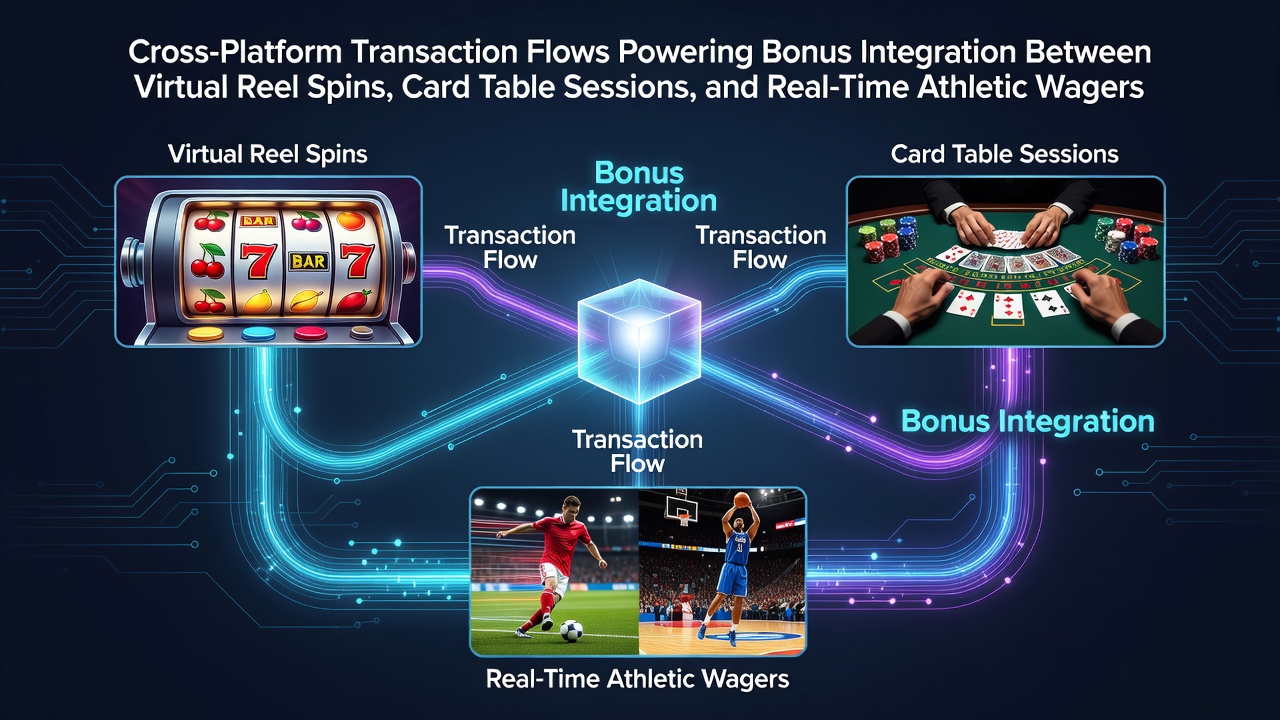
Transaction flows across digital gaming platforms now link virtual reel spins with card table sessions and real-time athletic wagers through shared payment rails that move funds and apply bonuses in one continuous process. These systems rely on API connections between operators and payment processors to synchronize player balances across verticals while enforcing bonus rules that span multiple game types. Data from industry reports show that operators using such integrated flows report higher retention rates when players move seamlessly from one activity to another without separate deposits or withdrawals.
Mechanics Behind Unified Payment Processing
Operators build these flows on centralized ledgers that record every spin, hand, and wager in a single account view. When a player triggers a bonus during reel spins the system automatically adjusts eligibility for table games and sports markets through the same transaction ID. Payment gateways handle instant transfers while compliance layers check wagering requirements across categories before releasing funds. Researchers at academic institutions tracking digital entertainment economies note that this approach reduces friction compared with siloed platforms where bonuses remain locked to one product.
Bonus Integration Across Game Categories
Bonus structures now carry over from slots into live dealer tables and in-play sports markets because the transaction layer treats all activities as part of one session. A deposit bonus earned on virtual reels can fund a blackjack hand or an athletic wager once the platform verifies the original terms through shared metadata. Figures from European Gaming and Betting Association studies indicate that cross-vertical bonus redemption rates rise when operators implement real-time balance updates rather than delayed batch processing. Players therefore experience continuous play without needing to navigate separate wallets or restart verification steps.
Real-time athletic wagers benefit particularly because odds change quickly and require immediate funding. The same payment rail that processed a slot spin can route funds to a live soccer market while applying any remaining bonus multiplier automatically. Card table sessions gain similar flexibility when progressive jackpots or loyalty points convert into sports betting credits through the integrated flow. Observers note that September 2026 brought several platform updates that refined these handoffs with faster reconciliation engines.

Technological Infrastructure Supporting the Flows
Cloud-based payment orchestration tools sit at the center of these networks and connect operator databases with external processors. Smart contracts on permissioned ledgers enforce bonus rules across verticals while preventing double-dipping. Security protocols encrypt each transfer and log every step for audit purposes. Industry analyses from research institutions in North America highlight that operators adopting these infrastructures achieve lower operational costs because manual reconciliation decreases substantially.
Third-party providers supply the APIs that let slot engines communicate with sports betting engines in milliseconds. When a player completes a reel spin the system pushes updated bonus status to the table game server and the sports platform simultaneously. This coordination keeps the player experience consistent even when switching devices mid-session.
Regulatory Context and Compliance Measures
Regulatory bodies in multiple jurisdictions require transparent reporting of cross-platform transactions to ensure fair bonus distribution. Australian authorities, for example, have examined how integrated flows affect player protection standards and published guidance on audit trails. Canadian provincial regulators similarly track bonus movement across game types to verify compliance with responsible gaming rules. Operators must maintain records that show exactly how funds and bonuses transfer between verticals without violating spending limits or age restrictions.
Conclusion
Cross-platform transaction flows now form the backbone of bonus integration between virtual reel spins, card table sessions, and real-time athletic wagers. These systems deliver synchronized balances and unified promotions through API-driven payment rails and centralized compliance checks. Data from established industry and academic sources confirm measurable improvements in operational efficiency and player engagement when platforms adopt such architectures. Continued refinement of these networks will shape how operators manage multi-vertical experiences in the years ahead.