
Payment Tech Evolutions Spur Transitions Between Live Athletic Markets and Traditional Table Play on Mobile Screens
Payment system upgrades have altered how users navigate between live sports wagering platforms and classic table game interfaces on handheld devices since early 2025, with seamless transaction tools reducing friction during switches and enabling quicker balance movements across categories. Data from multiple jurisdictions indicate rising cross-category activity on mobile screens, where instant deposit methods and unified wallet systems allow participants to move funds without leaving the app environment.
Core Innovations Reshaping Access
Digital wallet integrations and real-time bank transfer protocols now support near-instant funding for both sports event markets and table experiences, whereas older card-based systems often created delays that kept users in one category longer. In October 2026 several operators rolled out enhanced biometric verification layers that link accounts across game types, so a single approval step unlocks deposits for soccer live odds or blackjack sessions without repeated logins. These features connect directly to handheld operating systems and reduce the steps required to alternate between categories during a single session.
Observers note that contactless payment rails such as those offered through regional fintech partnerships have expanded reach in North America and parts of Asia, where users complete transfers in under ten seconds while watching live events or seated at virtual tables. Research from the New Jersey Division of Gaming Enforcement shows mobile transaction volumes crossing between sports and table segments grew steadily through mid-2026 as these tools matured.
Observed Movement Patterns Among Users
Analytics platforms tracking mobile sessions report that participants who begin with live sports markets increasingly divert portions of their balances to table games when payment confirmations arrive faster than in previous years. One study covering multiple operators found average session lengths for table play extended when users could import funds from ongoing sports wagers without exiting the application. Conversely, table-focused users shifted toward in-play sports options during high-volume event periods because withdrawal speeds allowed them to reallocate remaining credits immediately.
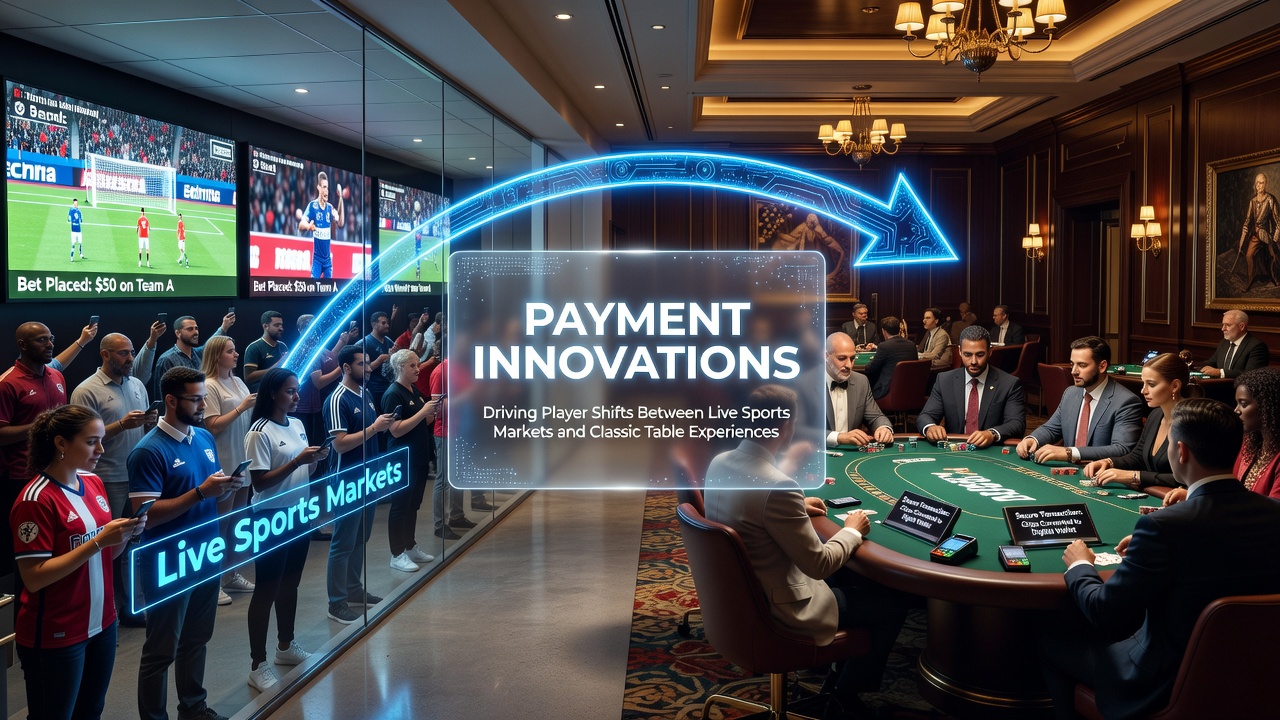
Regional differences appear pronounced. Australian regulatory filings indicate mobile crossovers between categories rose after local banks adopted open-banking standards that integrate directly with gaming applications. Similar patterns emerged in Canadian provinces where electronic fund transfers link sports books to table platforms through shared ledgers, shortening the time between cash-out and new deposits. These shifts occur most visibly during evening peak hours when handheld usage spikes across time zones.
Supporting Infrastructure and Security Layers
Tokenized transaction methods and multi-factor authentication protocols now underpin the reliability of these movements, allowing operators to verify identity once per session even as balances transfer between sports and table environments. Industry reports highlight that encryption standards updated in 2025 reduced failed transfer rates, which in turn encouraged more frequent category changes on mobile screens. Academic work from the University of Nevada, Las Vegas gaming research center documented how these infrastructure elements correlate with higher retention across both live event markets and table offerings when tested on common handheld models.
Payment providers have also introduced tiered reward structures that apply uniformly whether funds move into sports wagers or table sessions, removing previous incentives that kept users locked into single categories. This uniformity appears in aggregated transaction logs where the same loyalty points accumulate regardless of the chosen activity on the device.
Future Trajectory Through Late 2026
Regulatory updates scheduled for late 2026 in several jurisdictions are expected to standardize cross-border payment compatibility for mobile gaming, which could further accelerate observed shifts between live sports and table experiences. Current figures from European oversight bodies already show gradual increases in multi-category mobile engagement following earlier infrastructure upgrades. Those monitoring the sector anticipate continued refinement of unified wallet systems that treat sports markets and table interfaces as interchangeable destinations within the same application ecosystem.
Conclusion
Payment innovations continue to streamline movement between live sports markets and classic table experiences on handheld devices by shortening transaction times and unifying access methods. Figures from regulatory and research sources across North America, Australia, and Europe document measurable increases in cross-category mobile activity as these tools expand. The pattern suggests ongoing integration of payment rails will sustain such transitions through the remainder of 2026 and beyond.