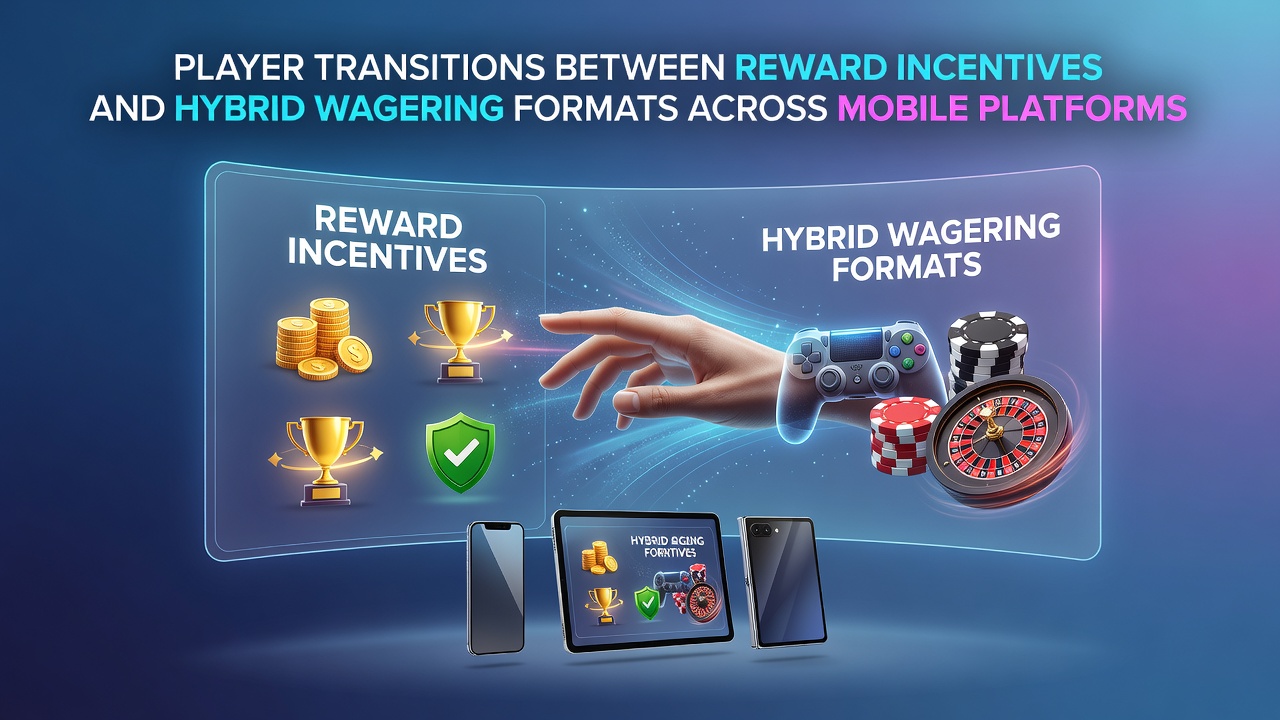
Player Movements from Reward Programs to Hybrid Wagering in Mobile Gaming
Players have shown consistent patterns when moving between reward-based incentives and hybrid wagering models on mobile devices, with data revealing gradual shifts driven by familiarity and platform features. Studies from the National Council on Problem Gambling highlight how initial engagement often centers on loyalty points and bonus structures before users explore combined formats that blend slots with live events or table games. These transitions occur across major app ecosystems where operators integrate multiple mechanics into single sessions.
Core Elements of Reward Incentive Structures
Reward programs typically operate through tiered systems that track activity and distribute credits or free spins after set thresholds, and researchers at the University of Nevada have documented how these mechanics encourage repeated logins without requiring direct financial risk at every step. Mobile apps deliver these incentives through push notifications and in-app dashboards that display progress toward the next tier, while integration with digital wallets allows seamless conversion of rewards into playable balances. Data from industry reports shows participation rates climbing steadily through 2025, with October 2026 figures expected to reflect further growth as more platforms refine personalization algorithms.
Hybrid Wagering Formats on Mobile Devices
Hybrid models combine traditional casino elements with real-time sports or event-based betting within the same interface, creating continuous play loops that keep users engaged longer than single-format sessions. Observers note that developers design these systems to let players switch between modes without exiting the app, and payment flows support instant deposits that fund both reward-earning spins and live wagers. Evidence from Canadian gaming authorities indicates rising adoption among users aged 25 to 40, where mobile accessibility drives experimentation across formats that reward both skill perception and chance outcomes.
Observed Transition Patterns Among Users
Analysts tracking app analytics have found that many players begin in reward-heavy environments focused on accumulation of points before migrating toward hybrid options that offer variable odds and immediate feedback. This movement often follows exposure to promotional bundles that introduce blended mechanics, such as earning bonus credits through slots that can then fund in-play sports bets. Figures reveal average session lengths extending when users adopt these combined approaches, particularly on devices supporting quick navigation between tabs.
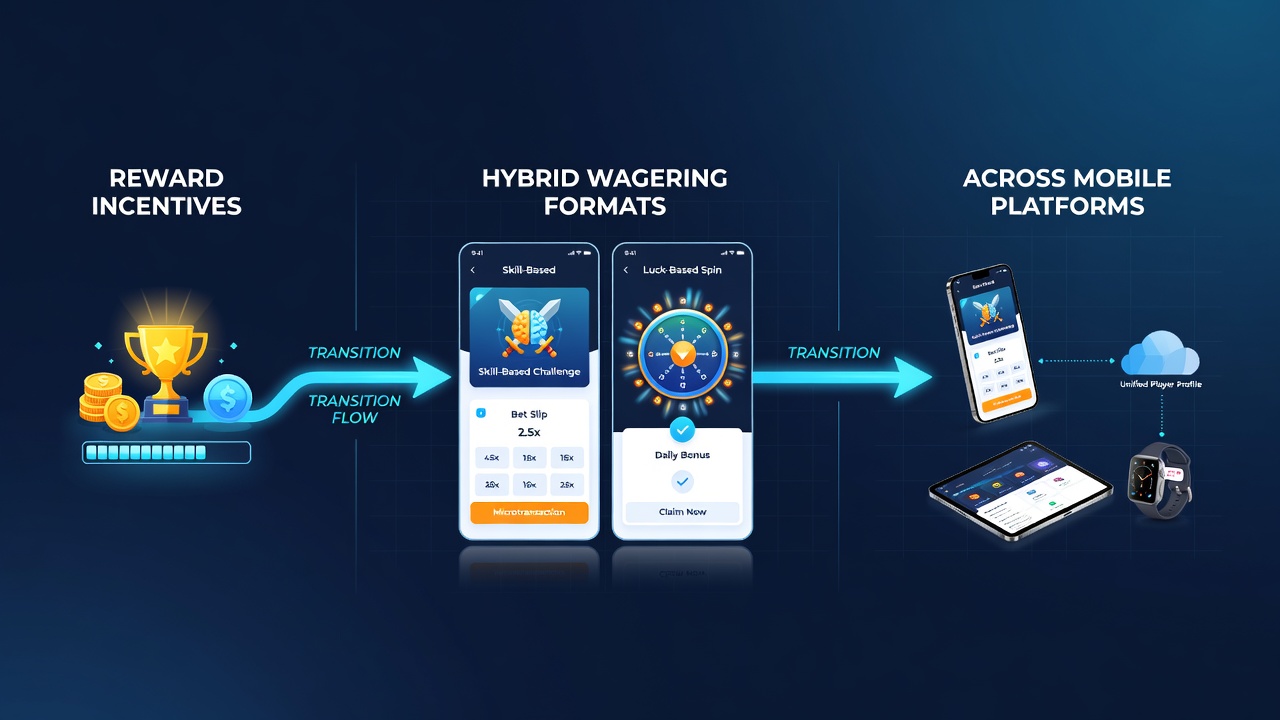
Platform data collected through 2026 demonstrates that transitions accelerate after users reach higher reward tiers, at which point hybrid features become more prominent in personalized recommendations. Those who study behavioral metrics point out that payment innovations like one-tap funding reduce friction during these shifts, allowing seamless movement from incentive collection to active wagering without separate logins or verifications.
Regional Data and Platform Comparisons
Reports compiled by the Australian Communications and Media Authority document similar patterns across different regulatory environments, where mobile penetration correlates with increased use of hybrid formats once reward systems establish baseline engagement. European research institutions have published findings showing that cross-platform compatibility encourages users to carry progress between devices, thereby sustaining transitions even when switching from tablets to phones during daily routines. These observations hold across markets where operators must balance incentive visibility with responsible play prompts embedded directly in the interface.
Technical Factors Supporting Transitions
App architecture plays a direct role because unified account systems let reward balances transfer into hybrid betting pools without manual intervention, and backend algorithms adjust offers based on prior activity to guide users along observed pathways. Updates rolled out in late 2025 introduced faster loading for live components, which analysts link to higher conversion rates from pure reward play to mixed sessions. Security protocols maintain consistency across both incentive tracking and wagering execution, reducing drop-off points that might otherwise interrupt the flow between formats.
Conclusion
Patterns documented through multiple sources show players navigating from reward incentives into hybrid wagering as mobile platforms evolve their feature sets, with October 2026 data likely to confirm ongoing refinement of these pathways. Regulatory bodies outside the UK continue to monitor these developments through aggregated usage statistics that inform future guidelines, while academic studies provide context on how interface design influences the timing and frequency of such transitions.