
Strategic Bonuses Connecting Table Games in Casinos with Athletic Wagering Platforms
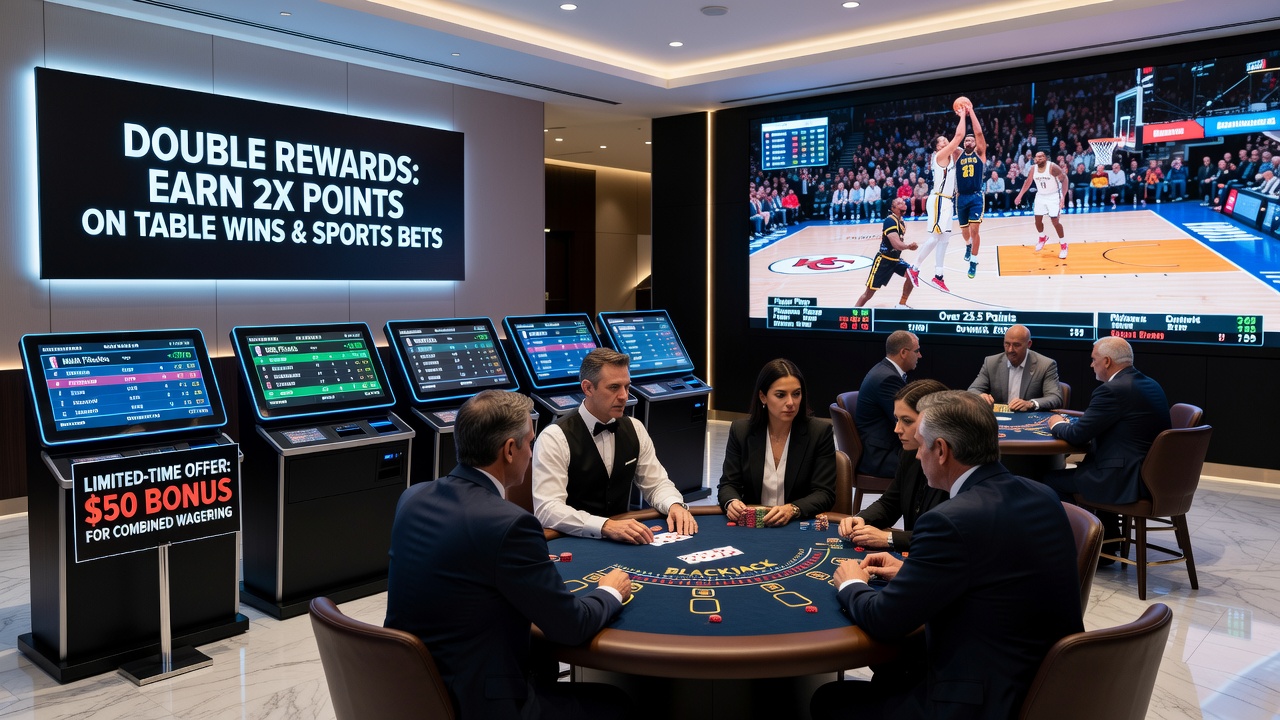
Targeted incentives now link casino table play directly to athletic event wagering through integrated bonus structures that reward activity across both categories, and operators deploy these programs to retain players who shift between physical tables and digital sports markets. Data from multiple jurisdictions shows rising participation in combined offerings where a single deposit unlocks credits usable on blackjack or roulette as well as in-play football or basketball wagers, while loyalty tiers accumulate points from both verticals and convert them into free bets or table comps.
How Cross-Vertical Promotions Operate
Operators structure these incentives so that a player completing a certain number of hands at a live dealer table receives a sports betting voucher, and the reverse path also exists when a successful sports accumulator triggers table game credits. Systems track play in real time, so a bettor placing a wager on a tennis match can receive an instant multiplier that applies to the next roulette session, and this seamless transfer reduces friction between the two activities. Reports from the Nevada Gaming Control Board indicate that venues adopting such mechanics recorded measurable increases in session length during 2025 and into 2026, particularly when promotions reset weekly or align with major sporting calendars.
Player Movement Patterns Across Formats
Observers tracking account-level data note that individuals who begin with sports wagers frequently migrate to table games once bonus funds appear in their balance, and the same pattern occurs in reverse when table players receive sports-specific free bets. This bidirectional flow strengthens during periods of overlapping events, such as the overlap between major football seasons and high-traffic casino weekends, and August 2026 data releases from several state regulators are expected to quantify whether summer athletic schedules continue to drive similar crossovers. One study released by the University of Nevada, Las Vegas gaming research unit found that players exposed to dual-purpose incentives placed 18 percent more bets per month than those limited to single-category offers.
Yet the mechanics require careful calibration, because regulatory frameworks in different regions impose distinct caps on bonus values and wagering requirements. Australian authorities, for instance, require clear separation between promotional terms for table games and those for sports products, and operators must display these distinctions prominently to maintain compliance. Canadian provincial regulators have introduced similar transparency rules that took effect in early 2026, affecting how cross-vertical offers reach players in those markets.
Technology Enabling Real-Time Reward Delivery
Backend platforms now update player profiles within seconds of a qualifying table hand or sports outcome, which allows instant crediting of the next incentive tier. This speed matters because many participants move between channels on the same device, switching from a live dealer stream to a sports betting app without leaving their account session. Payment integrations further support the model by letting winnings from one vertical fund play in the other, and several major operators have expanded their internal ledgers to treat table and sports balances as interchangeable for promotional purposes.
Industry associations such as the European Gaming and Betting Association have published guidelines encouraging operators to monitor total exposure across both categories, since combined incentives can accelerate play volume. Those guidelines also recommend periodic audits to verify that targeted offers do not disproportionately reach higher-risk player segments, and several jurisdictions now require such audits as part of licensing renewals.
Regulatory Developments Entering Late 2026
August 2026 is shaping up as a key month for updated reporting requirements in multiple regions, with several oversight bodies scheduled to release aggregated figures on cross-vertical promotion uptake. These releases will likely include breakdowns by incentive type, showing whether table-to-sports transfers or sports-to-table transfers generate higher retention rates. Operators are preparing datasets that separate organic play from incentivized activity, a distinction that helps regulators assess whether the current incentive models align with responsible gambling objectives.
Meanwhile, academic researchers continue to examine the behavioral economics behind these offers, with particular attention to how loss aversion and variable reward schedules interact when players alternate between table decisions and sports outcomes. Early findings suggest that the psychological pull of an imminent sports result can extend table sessions, while a strong table run can increase willingness to place larger sports wagers once the bonus unlocks.
Conclusion
The intersection of casino table play and athletic event wagering through targeted incentives continues to evolve as technology, regulation, and player preferences shift in tandem. Operators refine their bonus architectures to maintain engagement across both verticals, while oversight bodies collect the data needed to evaluate impacts on participation patterns and risk profiles. As August 2026 reporting cycles approach, the sector will gain clearer visibility into how these interconnected incentive systems perform under current rules and whether further adjustments become necessary.